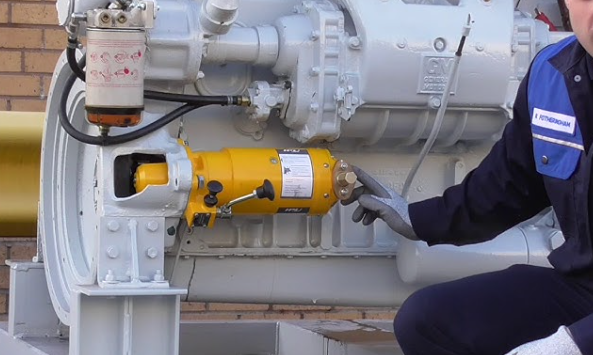
A thorough evaluation of the mechanical starter for diesel engines reveals why this technology continues to be specified by engineers who prioritize reliability over all other considerations. This performance review examines the technical characteristics, real-world application experience, and total ownership economics of 1-series spring starters in diesel engine applications.
Technical Performance Characteristics
The 1-series mechanical starter for diesel engines is designed to deliver reliable starting performance for engines in the compact to mid-size displacement range. Key performance parameters include stored energy capacity, torque delivery profile, engagement speed, and temperature operating range. Each of these parameters has been optimized through engineering analysis and field validation.
Energy storage capacity defines which engines can be reliably started. The 1-series stores sufficient energy to provide multiple starting attempts for diesel engines up to the specified displacement rating. The torque delivery profile is shaped by the spring design to provide maximum torque during the most demanding phase of the starting cycle—initial engagement and compression stroke overcoming.
Temperature Performance Validation
Cold Start Testing
Cold start testing is the most revealing evaluation of any diesel starting system. The 1-series mechanical starter has been tested at ambient temperatures down to -40°C, verifying that spring energy storage is maintained and delivered consistently at extreme cold. This validation is critical for applications in northern climates and high-altitude environments where winter temperatures regularly reach these extremes.
High-Temperature Performance
Hot weather performance is less commonly discussed but equally important in some applications. At elevated ambient temperatures, lubricant viscosity decreases, which can affect spring release dynamics. The 1-series is rated for operation to +80°C ambient, covering virtually all industrial hot-climate applications.
Durability and Life Testing
Accelerated life testing subjects spring starters to thousands of start cycles under controlled conditions that simulate years of field operation. The 1-series has undergone extensive life testing to verify that performance is maintained throughout the design life. Key durability metrics include spring fatigue cycles, ratchet wear rate, drive pinion wear, and seal integrity over time.
Field data from installations provides additional evidence of durability. Operators who have used 1-series units for several years report consistent starting performance with minimal maintenance interventions, validating the design’s longevity claims.
Application-Specific Performance
Performance characteristics vary somewhat between applications:
- Generator applications: typically benefit from reliable cold-start performance for emergency use
- Agricultural diesel engines: value the minimal maintenance requirement during peak seasons
- Marine auxiliary engines: require corrosion resistance alongside starting reliability
- Remote power systems: need long charge retention for unattended installations
- Mining equipment: require certified designs for underground use
Maintenance Experience Review
Field operators consistently report that 1-series mechanical starters require significantly less maintenance attention than battery-electric starting systems. The absence of batteries eliminates the most maintenance-intensive component of electric starting systems. Routine spring inspection and periodic lubrication represent the complete maintenance requirement for most applications.
When maintenance issues do arise, they are typically straightforward to diagnose and resolve. Common issues include accumulated contamination in the winding mechanism and lubricant degradation over extended periods in extreme temperatures. Both issues are easily addressed with standard tools and cleaning materials.
Economic Performance Review
Over a five-year operational period, the economics of mechanical diesel starter ownership compare favorably to electric alternatives in demanding applications. The elimination of battery replacement costs, combined with lower maintenance labor and the avoidance of starting failure costs, typically yields net savings that significantly exceed the initial price premium of the mechanical starter.
Frequently Asked Questions
How does the 1-series compare to pneumatic starters for diesel applications?
Pneumatic starters offer high torque and rapid cycling but require compressed air infrastructure. For applications without existing compressed air systems, the 1-series spring starter’s self-contained nature provides a significant practical advantage despite potentially lower absolute torque output.
What certifications does the 1-series carry?
The 1-series is available in versions certified for use in hazardous atmospheres per ATEX and IECEx standards. Non-hazardous area versions do not carry these certifications. Always select the appropriate version for your specific installation environment.
Can the 1-series be upgraded to a larger series as requirements grow?
Upgrades typically require replacing the complete spring starter unit rather than modifying the existing installation. When future capacity requirements are anticipated, discuss this with the manufacturer during initial selection to ensure the mounting and interface design can accommodate the planned upgrade.
Conclusion
The performance review of 1-series mechanical starters for diesel engines confirms the value of this technology for demanding applications. Technical validation through temperature testing, life testing, and field experience all support the engineering claims. For diesel engine operators who need starting reliability that doesn’t depend on battery condition or electrical infrastructure, the 1-series delivers proven performance across its rated operating envelope.