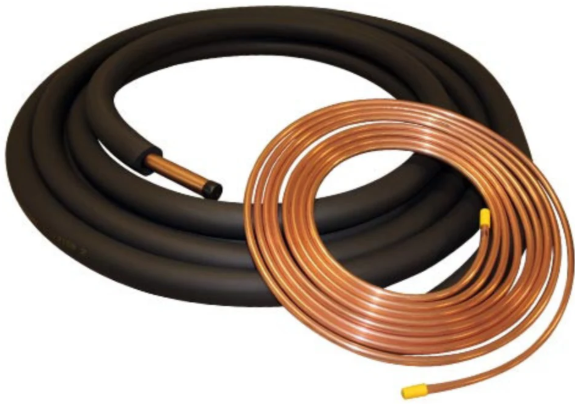
In any HVAC refrigerant circuit, the suction line carries cold low-pressure refrigerant vapor from the indoor evaporator back to the outdoor compressor. Without adequate insulation, this cold line gains heat from the surrounding environment, reducing system efficiency. Properly insulated copper tubing HVAC applications delivers the energy efficiency and condensation prevention that both installers and building owners demand.
Understanding insulated copper tubing HVAC
HVAC line set insulation must meet several performance criteria. It must have low thermal conductivity to minimize heat gain, it must be closed-cell to prevent moisture absorption, and it must be UV-resistant insulated copper tubing HVAC for any outdoor exposed sections. Closed-cell flexible elastomeric foam is the standard insulation material, typically supplied in 3/8 inch to 3/4 inch wall thicknesses depending on climate zone and local energy codes.
Key Considerations for Buyers and Professionals
When evaluating options in the insulated copper tubing HVAC category, several key factors demand attention. Quality of materials and manufacturing processes determines long-term performance and reliability. Supplier reputation and after-sales support affect your total experience beyond the initial purchase. Compliance with relevant industry standards and certifications provides confidence in product safety and performance claims.
Evaluating Quality and Performance
Quality in the insulated copper tubing HVAC sector is not always easy to assess from marketing materials alone. Requesting independent test certificates, speaking with reference customers, and examining product samples firsthand are all critical due diligence steps. The best products in this category are backed by verifiable performance data and manufactured under certified quality management systems.
See also:
Understanding Total Cost of Ownership
The purchase price of any insulated copper tubing HVAC product is only one component of total cost. Long-term maintenance requirements, spare parts availability, energy consumption, and expected service life all contribute to the true total cost of ownership. Comparing products across all these dimensions rather than on purchase price alone leads to better investment decisions.
Industry Best Practices and Recommendations
Professionals working with insulated copper tubing HVAC products and systems consistently emphasize the importance of thorough specification before purchasing. Clearly defining your technical requirements, performance expectations, and compliance needs before approaching suppliers prevents mismatches and ensures you evaluate competing options on a fair, consistent basis. Industry associations and trade publications are valuable sources of guidance on current best practices.
Working with Established Suppliers
Established suppliers with long track records in the insulated copper tubing HVAC market offer significant advantages over newer entrants. Their products have been refined through real-world feedback from many installations, their support teams have deep experience resolving issues, and their financial stability means they will be available to honor warranties and supply spare parts for the long term.
Future Trends and Developments
The insulated copper tubing HVAC sector continues to evolve as new technologies emerge and performance requirements become more demanding. Staying current with industry developments through trade publications, conferences, and supplier technical briefings ensures you are aware of innovations that could benefit your operations or projects. Leading suppliers invest continuously in product development to maintain competitive advantage.
Frequently Asked Questions
Q: What are the most important factors when evaluating insulated copper tubing HVAC products?
A: The most critical factors are product quality and certifications, supplier reputation and track record, after-sales support and spare parts availability, and total cost of ownership rather than just purchase price.
Q: How can I verify that a insulated copper tubing HVAC supplier is reliable?
A: Request product certification documents, ask for reference contacts from past customers, review their project portfolio, and if possible, visit a completed installation or their manufacturing facility.
Q: What is the typical warranty offered for insulated copper tubing HVAC products?
A: Warranty periods vary by product type and supplier. Reputable manufacturers typically offer between 12 months and several years of warranty coverage depending on the product category. Always confirm warranty terms in writing before purchasing.
Conclusion
Making the right decisions about insulated copper tubing HVAC requires combining technical knowledge with thorough supplier evaluation and a clear understanding of your specific application requirements. The guidance in this article provides a solid foundation for approaching these decisions systematically and confidently. Investing the time in proper research and evaluation always pays dividends in long-term satisfaction with your insulated copper tubing HVAC choice.