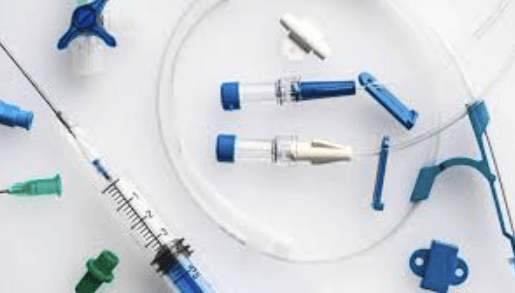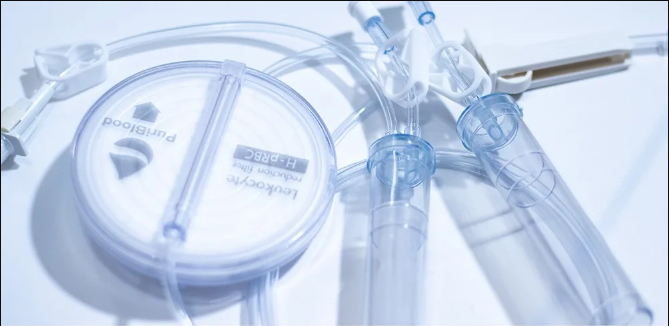
Intravenous therapy is an essential part of patient care, allowing for the direct administration of fluids, medications, and nutrients into the bloodstream. The iv tubing parts play a vital role in ensuring safe, accurate, and efficient delivery of these treatments.
What Are IV Tubing Parts?
IV tubing parts are the components that make up the tubing system connecting the fluid source to the patient. Each component serves a specific function, contributing to smooth and safe fluid administration.
Main Components of IV Tubing Parts
- Drip Chamber: Allows visualization of fluid flow and prevents air bubbles from entering the bloodstream.
- Flexible Tubing: Transports fluids from the IV bag to the patient’s catheter.
- Roller Clamp: Regulates the flow rate of the infusion.
- Connectors: Attach tubing securely to IV catheters or other devices.
- Filter: Optional part that removes debris or microaggregates to enhance safety.
- Spike: Penetrates the fluid bag for access to the solution.
Healthcare professionals can refer to iv tubing parts for a detailed breakdown of each component.
Types of IV Tubing Parts
Standard Tubing
Flexible tubing that facilitates fluid transfer from the IV bag to the patient. Tubing comes in various lengths and diameters depending on infusion requirements.
Drip Chambers
Drip chambers enable observation of fluid flow and help prevent air from entering the line.
Roller Clamps
Roller clamps adjust the infusion rate, ensuring accurate delivery of fluids or medications.
Connectors and Adapters
Connectors link the tubing to the IV catheter, including Luer locks or slip types depending on the setup.
See also: Pilates Instructor Singapore: Achieve Fitness and Wellness with Expert Guidance
Filters
Filters remove microaggregates and other particles to maintain safe infusion standards.
Applications of IV Tubing Parts
IV tubing parts are used in multiple medical scenarios:
- Fluid Replacement Therapy: Treats dehydration and restores fluid balance.
- Medication Administration: Ensures accurate dosing of antibiotics, pain medications, and other drugs.
- Blood Transfusion: Facilitates safe transfusion with optional filtering.
- Parenteral Nutrition: Delivers nutrients to patients unable to consume food orally.
- Emergency Care: Enables rapid fluid and medication administration in critical situations.
Benefits of Understanding IV Tubing Parts
- Enhanced Safety: Prevents contamination and infusion-related complications.
- Accurate Dosage: Allows precise flow control for medications and fluids.
- Efficiency: Familiarity with tubing parts improves setup and troubleshooting.
- Versatility: Adapts to various clinical applications and patient needs.
Proper Handling and Maintenance
- Inspect tubing and components before use to ensure no damage.
- Follow aseptic techniques when connecting and priming tubing.
- Monitor drip chambers and tubing for air bubbles or leaks.
- Replace disposable parts according to hospital protocols.
- Ensure secure connections to prevent fluid leakage.
Troubleshooting Common Issues
- Air Bubbles: Prime the tubing and check the drip chamber before starting infusion.
- Leaking Connections: Confirm all connectors are secure and compatible.
- Flow Rate Problems: Adjust roller clamps or replace blocked tubing.
- Contamination: Use sterile techniques and replace compromised parts immediately.
FAQs About IV Tubing Parts
1. What are the essential iv tubing parts?
The essential parts include the drip chamber, flexible tubing, roller clamp, connectors, spike, and optional filter.
2. Why is knowledge of iv tubing parts important?
Understanding tubing parts ensures safe, precise, and efficient intravenous therapy.
3. How should iv tubing parts be maintained?
Inspect all parts before use, use aseptic technique, monitor during infusion, and replace disposable parts according to hospital guidelines.
Conclusion
Familiarity with iv tubing parts is crucial for safe and effective intravenous therapy. Proper understanding of each component ensures accurate fluid and medication delivery, minimizes risks, and improves patient outcomes. Healthcare professionals can consult iv tubing parts resources for further guidance.