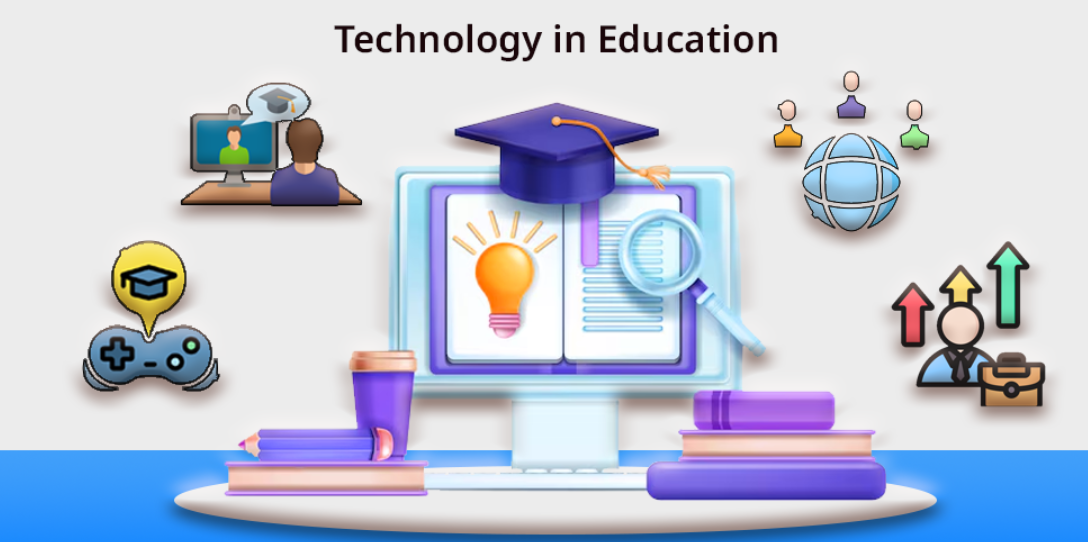
Technology has transformed education in significant ways. It enhances learning experiences through interactive tools and enables personalized education paths. The rise of virtual classrooms allows for greater accessibility and collaboration among students. However, challenges like the digital divide and cybersecurity concerns remain critical issues. Understanding how these elements interact is essential to fully grasp the impact of technology on education. What implications do these advancements hold for the future of teaching and learning?
Enhancing Learning Through Interactive Tools
In recent years, numerous studies have demonstrated that interactive tools significantly enhance learning outcomes in educational settings.
Gamified learning experiences engage students by transforming traditional curricula into dynamic challenges, fostering motivation and retention.
Concurrently, collaborative platforms facilitate peer interaction, empowering learners to co-create knowledge.
Together, these innovations cultivate an environment where freedom of thought and expression thrive, ultimately reshaping educational paradigms.
See also: The Role of Technology in Economic Growth
The Rise of Virtual Classrooms
As educational institutions increasingly embrace digital transformation, the rise of virtual classrooms has emerged as a pivotal development in modern learning.
These platforms facilitate virtual collaboration, allowing learners to engage remotely with peers and instructors.
Personalizing Education With Technology
Virtual classrooms have revolutionized the way education is delivered, but the potential of technology extends beyond mere access to learning environments.
By harnessing adaptive learning systems and data analytics, educators can tailor curricula to individual needs, fostering a more personalized learning experience.
This innovative approach allows students to progress at their own pace, empowering them to take ownership of their education and achieve greater success.
Addressing the Challenges of Tech in Education
Numerous challenges accompany the integration of technology in education, impacting students, educators, and institutions alike.
The digital divide exacerbates inequalities, leaving many without access to essential resources.
Furthermore, cybersecurity concerns pose significant risks, threatening sensitive data and undermining trust in educational platforms.
Addressing these issues requires innovative solutions and a commitment to ensuring equitable access and robust security measures for all stakeholders involved.
Conclusion
In conclusion, the integration of technology in education serves as a double-edged sword, offering both remarkable opportunities and notable challenges. While interactive tools and virtual classrooms transform learning experiences and personalize education, the digital divide and cybersecurity concerns loom large. As educators navigate this evolving landscape, it becomes crucial to ensure that no student is left behind. Embracing technology in education not only fosters academic achievement but also equips learners with essential skills for a future that is increasingly driven by innovation.