Importance of Moisture Control in Plastic Processing
Moisture is one of the most critical factors in plastic manufacturing. Even minimal moisture content in raw materials can lead to defects such as bubbles, silver streaks, reduced strength, surface imperfections, and dimensional instability. Hygroscopic polymers such as PET, nylon, and polycarbonate naturally absorb moisture from the surrounding air. If this moisture is not removed before processing, it can degrade the polymer structure and compromise the final product quality.
A high performance plastic dryer machine plays a vital role in eliminating excess moisture before molding, extrusion, or other forming processes. By reducing moisture to precise levels, manufacturers can ensure consistent melt flow, improved mechanical properties, and enhanced surface finish. Effective drying not only improves product quality but also reduces material waste and machine downtime.
Controlling humidity is not simply about removing visible moisture. It requires achieving specific dew point levels and maintaining stable process conditions throughout the production cycle. Modern drying systems are engineered to deliver accurate temperature control, uniform airflow, and reliable moisture removal that meets the demanding standards of industrial plastic manufacturing.
Understanding How Plastic Pellet Dryers Work
Plastic pellets are typically stored and transported in environments where they are exposed to ambient humidity. Once absorbed, moisture becomes trapped within the material structure. Standard heating alone cannot remove this moisture efficiently because the surrounding air may still contain humidity. This is where advanced drying technology becomes essential.
A specialized plastic pellet dryer operates using desiccant based dehumidification systems that produce extremely low dew point air. The process begins by passing air through a desiccant medium that removes moisture. The dry air is then heated and circulated through a hopper containing plastic pellets. As the hot dry air flows around the pellets, it draws out internal moisture and carries it away.
The cycle continues until the material reaches the desired moisture level. Advanced systems monitor temperature, airflow, and dew point continuously to maintain optimal drying performance. These systems are designed for energy efficiency and stable operation, making them suitable for high volume industrial applications.
Key Components of a Modern Plastic Dryer Machine
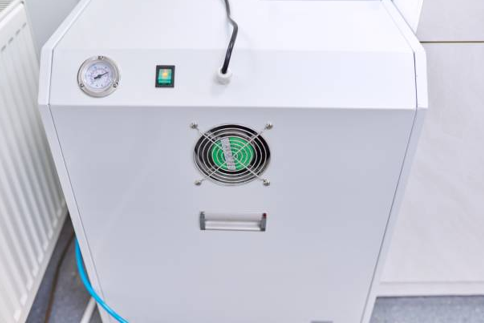
A reliable drying system integrates several critical components working together seamlessly. The desiccant rotor or bed is responsible for removing moisture from incoming air. Heaters raise the air temperature to accelerate moisture evaporation from the pellets. Blowers ensure consistent airflow distribution throughout the hopper. Control panels monitor and regulate the drying parameters.
Precision control is essential because different polymers require different drying temperatures and exposure times. Over drying can damage materials, while under drying can result in product defects. Modern systems allow programmable settings to accommodate various resin types and production schedules.
Advantages of Low Dew Point Drying Technology
Low dew point air is essential for effective moisture removal in hygroscopic plastics. By achieving extremely dry air conditions, advanced dryers significantly enhance the drying rate and reduce processing time. This leads to higher productivity and lower energy consumption per batch.
Low dew point systems also provide consistent results regardless of ambient humidity conditions. Whether the facility operates in humid coastal regions or dry inland climates, the dryer maintains stable performance. This reliability is critical for industries where quality standards are stringent and variations cannot be tolerated.
Energy efficiency is another significant benefit. Modern drying solutions incorporate heat recovery systems and optimized airflow designs to minimize energy use. Reduced energy consumption translates into lower operating costs and a smaller environmental footprint.
Applications Across Plastic Manufacturing Industries
Plastic drying systems are widely used across injection molding, blow molding, extrusion, and thermoforming operations. Each of these processes requires precise material preparation to achieve optimal results. Moisture control is particularly important for engineering plastics used in automotive components, electrical housings, packaging materials, and medical grade products.
In injection molding, properly dried resin ensures consistent flow into molds, resulting in accurate dimensions and smooth surfaces. In extrusion processes, moisture free pellets help prevent bubbles and voids in finished products. For blow molding applications, uniform drying supports better strength and clarity in containers.
Industries that process high performance polymers rely heavily on advanced drying systems to maintain structural integrity and chemical resistance in final products. As manufacturing demands increase, the need for reliable and efficient drying technology continues to grow.
See also: The Role of Technology in Education
Factors to Consider When Selecting a Plastic Dryer
Choosing the right drying system requires careful evaluation of production needs. Material type is one of the primary considerations. Hygroscopic polymers demand desiccant based dryers capable of achieving very low dew points. Non hygroscopic materials may require less intensive drying methods.
Production capacity is another important factor. The dryer must be capable of handling the required throughput without compromising drying efficiency. Hopper size, airflow capacity, and heating power should align with processing volumes.
Energy efficiency and automation features also influence system selection. Modern dryers offer programmable controls, remote monitoring capabilities, and energy saving modes. These features improve operational efficiency and reduce long term costs.
Maintenance requirements should also be evaluated. Systems designed with accessible components and durable construction minimize downtime and simplify servicing. Reliable support and technical expertise further enhance long term performance.
Enhancing Productivity with Integrated Drying Solutions
Advanced drying systems can be integrated seamlessly into automated production lines. Centralized drying systems supply dry air to multiple processing machines, improving overall efficiency. Automated material handling systems ensure consistent material flow between storage, drying, and processing units.
Integration reduces manual intervention and minimizes the risk of contamination. Real time monitoring systems provide data on temperature, humidity, and airflow, allowing operators to maintain precise control over the drying process.
Process optimization contributes directly to improved product quality and reduced material waste. By maintaining consistent moisture levels, manufacturers can achieve uniform production results across batches. This consistency strengthens quality control processes and enhances customer satisfaction.
Future Trends in Plastic Drying Technology
The plastic manufacturing industry continues to evolve with a strong focus on sustainability and efficiency. Drying technology is advancing to meet these demands. Smart control systems equipped with sensors and digital interfaces allow real time data analysis and predictive maintenance.
Energy recovery systems are becoming more sophisticated, capturing and reusing heat generated during operation. Compact and modular designs are gaining popularity for facilities seeking space optimization without compromising performance.
Environmental considerations are also influencing innovation. Manufacturers are developing systems that reduce energy consumption while maintaining high drying efficiency. As regulatory standards tighten, efficient drying technology will remain essential for compliance and competitive advantage.
Conclusion
Effective moisture control is fundamental to high quality plastic production. A reliable plastic dryer machine ensures that raw materials are prepared to meet strict manufacturing standards. By utilizing advanced low dew point technology and precision controls, modern drying systems support consistent performance and energy efficiency.
Selecting the right drying solution requires careful consideration of material type, production capacity, and operational goals. Investing in advanced technology not only enhances product quality but also improves overall manufacturing efficiency.
For comprehensive drying solutions and innovative moisture control technologies, explore the expertise offered Bry-Air. Their advanced systems are designed to meet the demanding requirements of modern plastic processing industries while delivering reliable and efficient performance.